
How to Store LEGO Parts: Practical storage solutions that work
Once LEGO parts are properly sorted, the next challenge is storing them in a way that keeps everything accessible, protected, and easy to expand. Even the best sorting system will fail if the storage solution does not support it. Based on our experience running a BrickLink store, this guide explains how to store LEGO parts in a way that remains practical as collections grow.
Why proper LEGO storage matters
Good LEGO storage is about more than just saving space. A well-designed storage system helps you:
Find parts quickly
Protect pieces from damage and dust
Expand your collection without reorganizing everything
Reduce time spent handling and re-sorting parts
Storage should support your workflow, not slow it down.
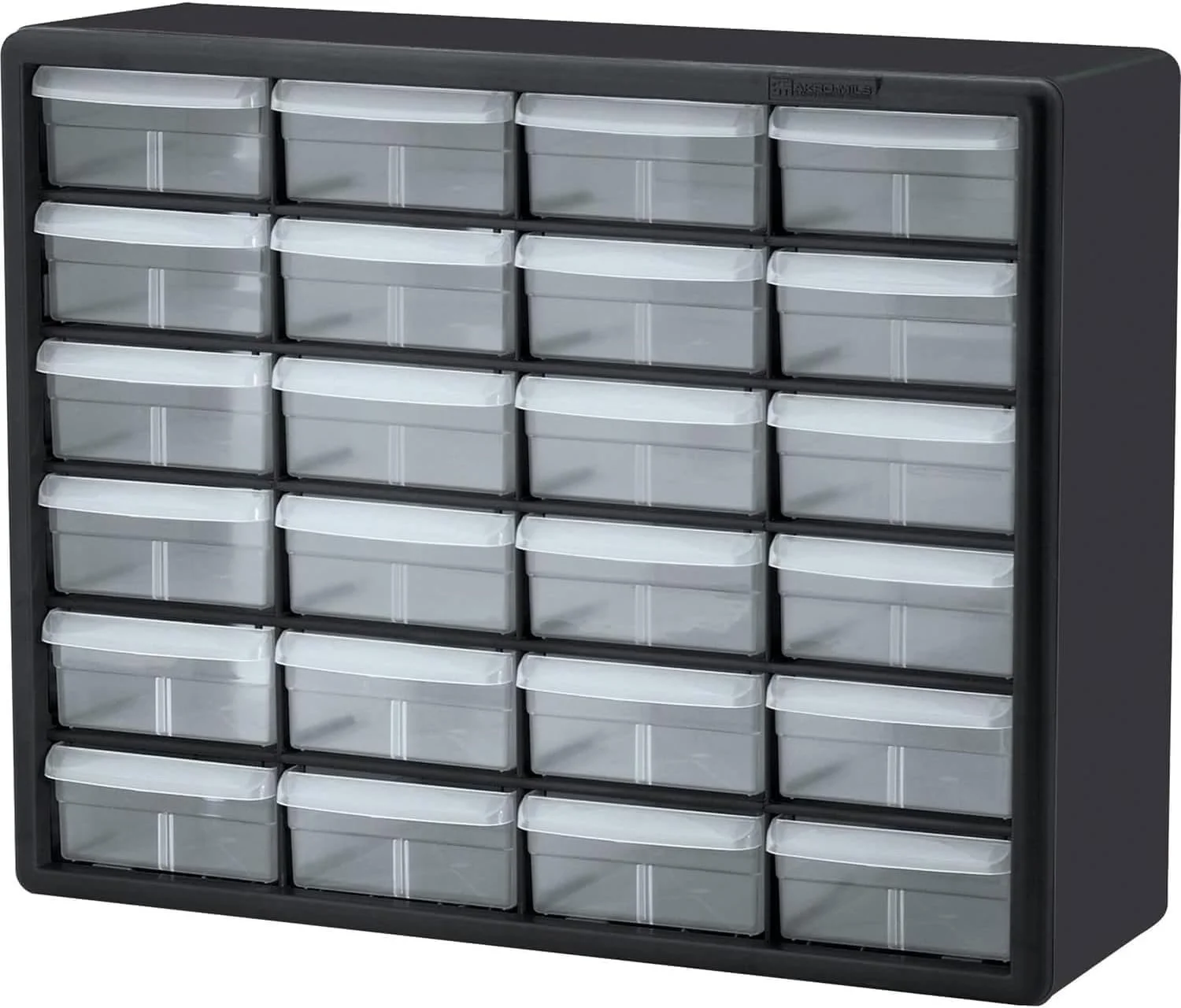
Drawer cabinets are ideal for LEGO storage
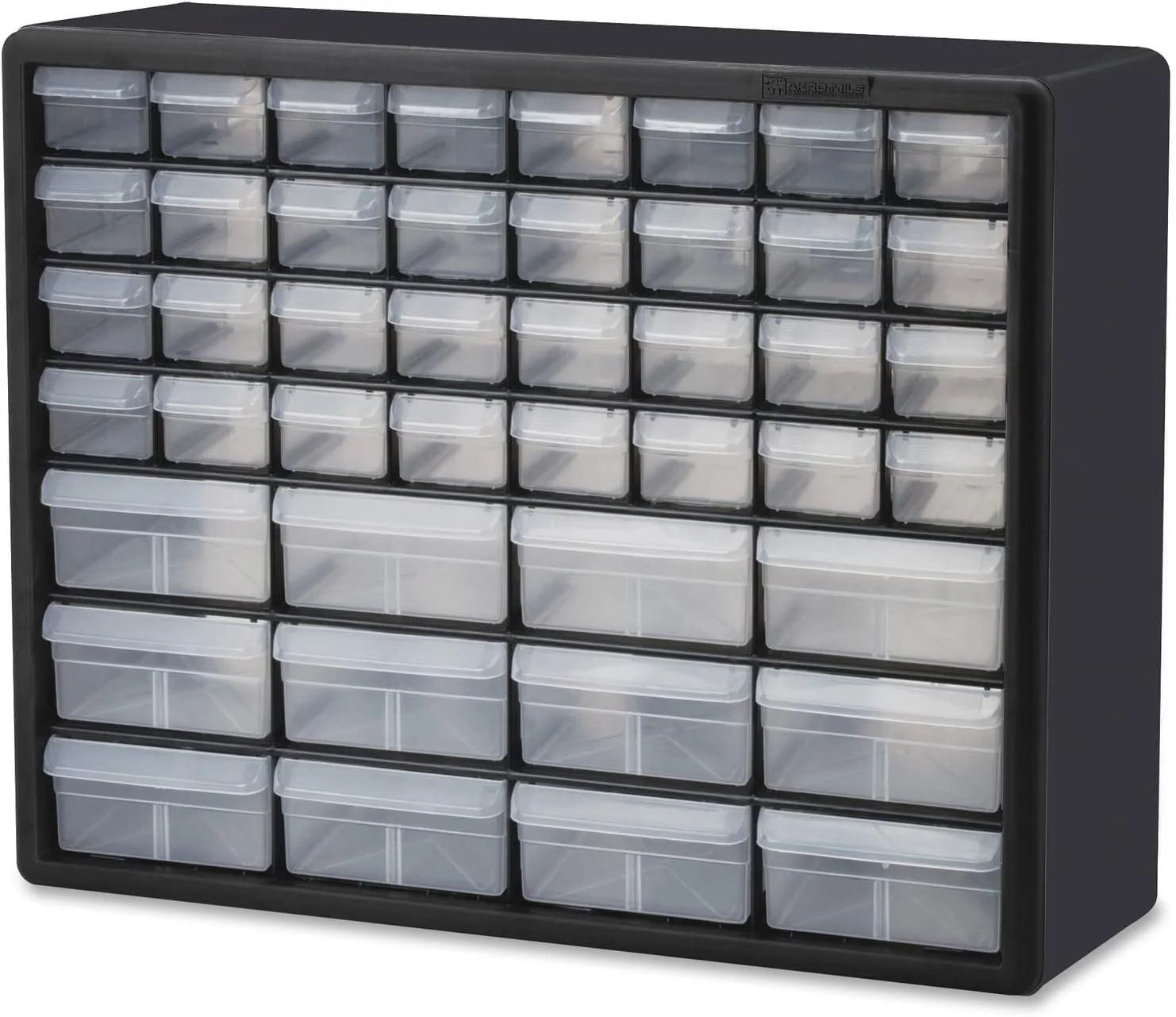
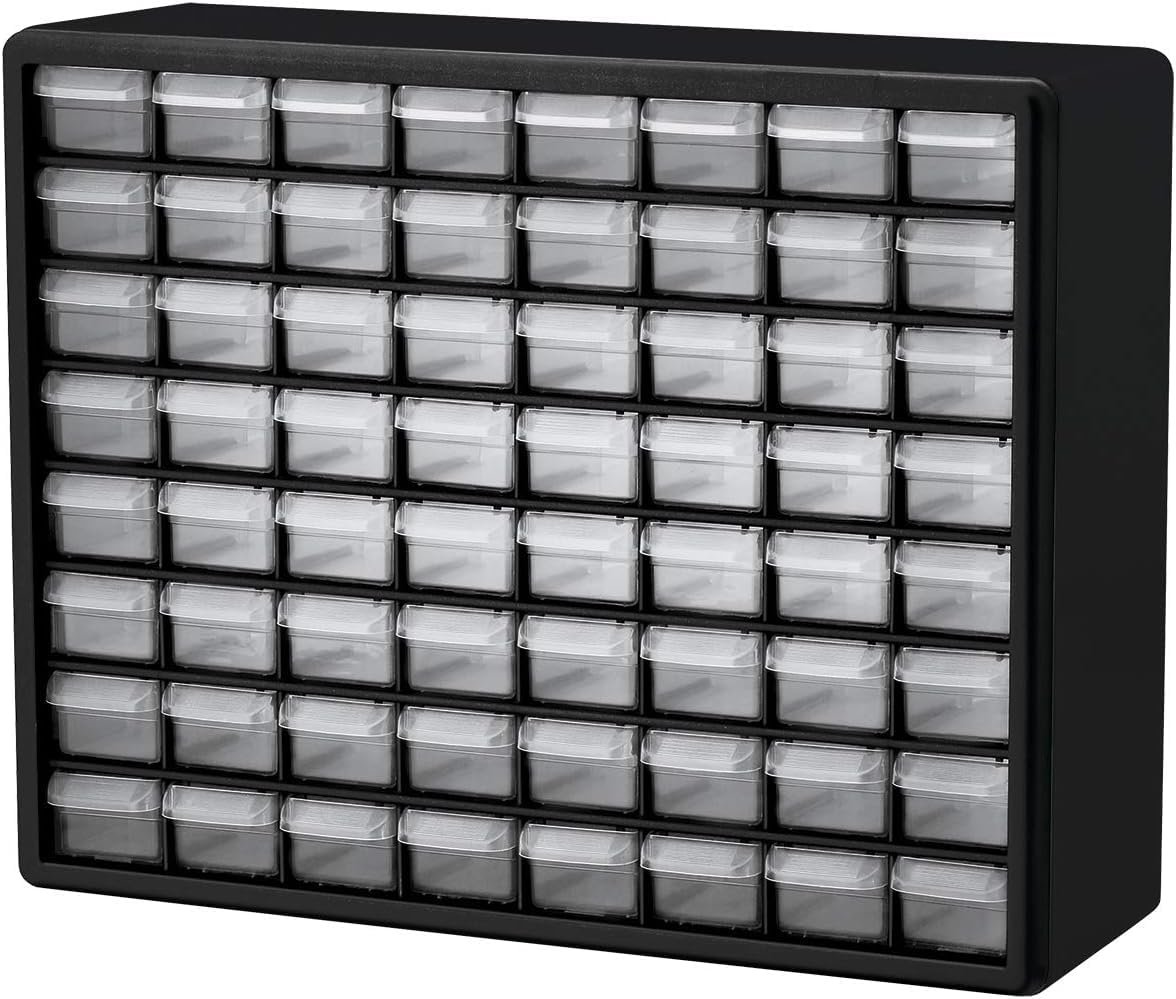
In our own BrickLink store, drawer cabinets are the backbone of the storage system. They allow:
One part type per drawer
Fast access during building or order picking
Easy expansion by adding more or larger cabinets
Based on our experience, Akro-Mils drawer cabinets are among the best storage solutions for LEGO parts. We rely heavly on them in our BrickLink store. They are not the cheapest, but their sturdy construction, modular design, and wide range of drawer sizes make them especially well suited for sorting and storing LEGO. We use the following Akro-Mils modells in our store:
Stackable Boxes for bulky and oversized Parts
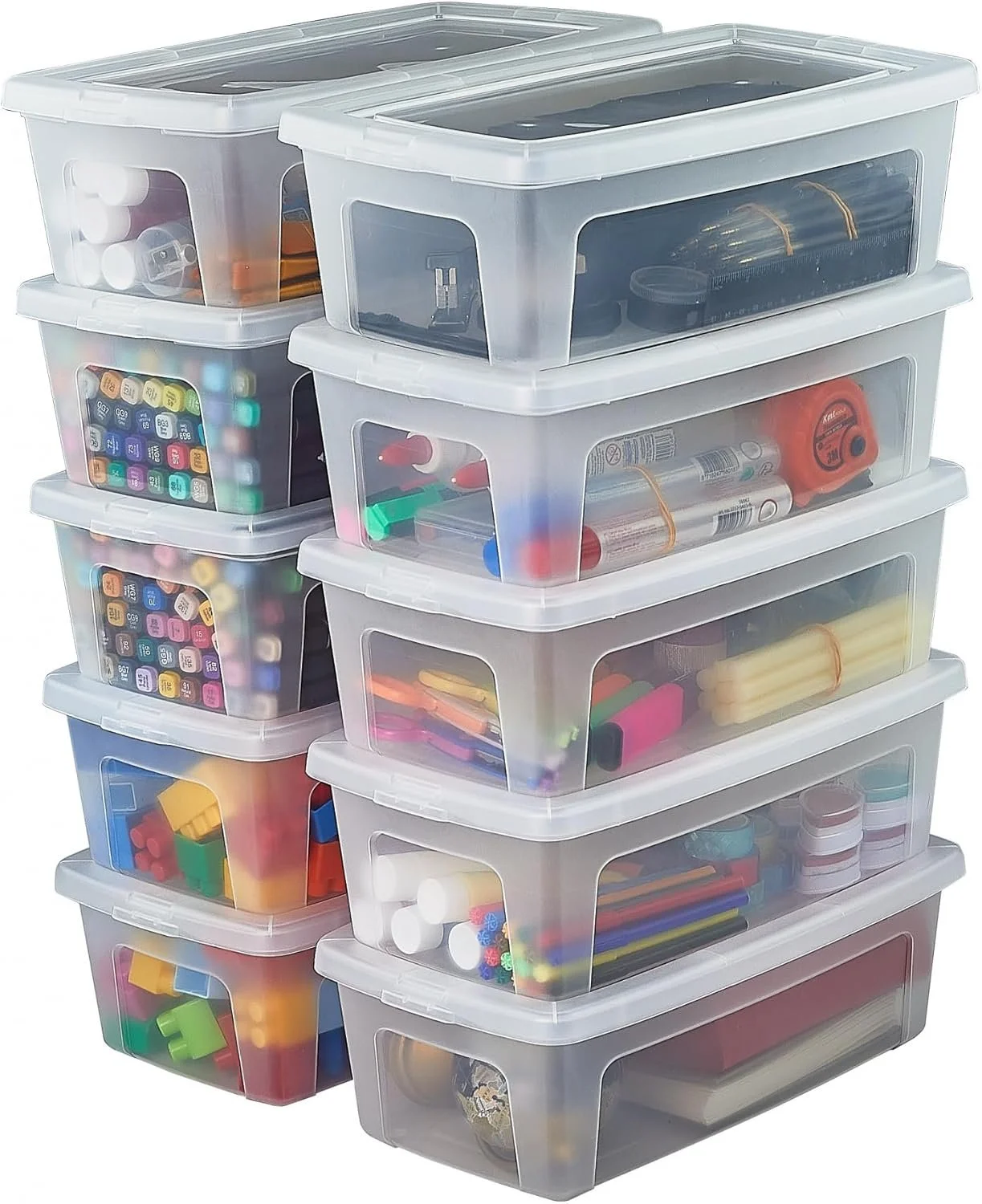
Not all LEGO elements fit neatly into drawers. Large quantities of the same parts, large plates, baseplates, wheels, and Technic frames are better stored in stackable boxes. Using standardized box sizes makes it easy to rearrange shelves and expand the system over time without disrupting the overall layout.
In our BrickLink store we use the following 5L boxes, that are of good quality, fairly priced and easily stackable:
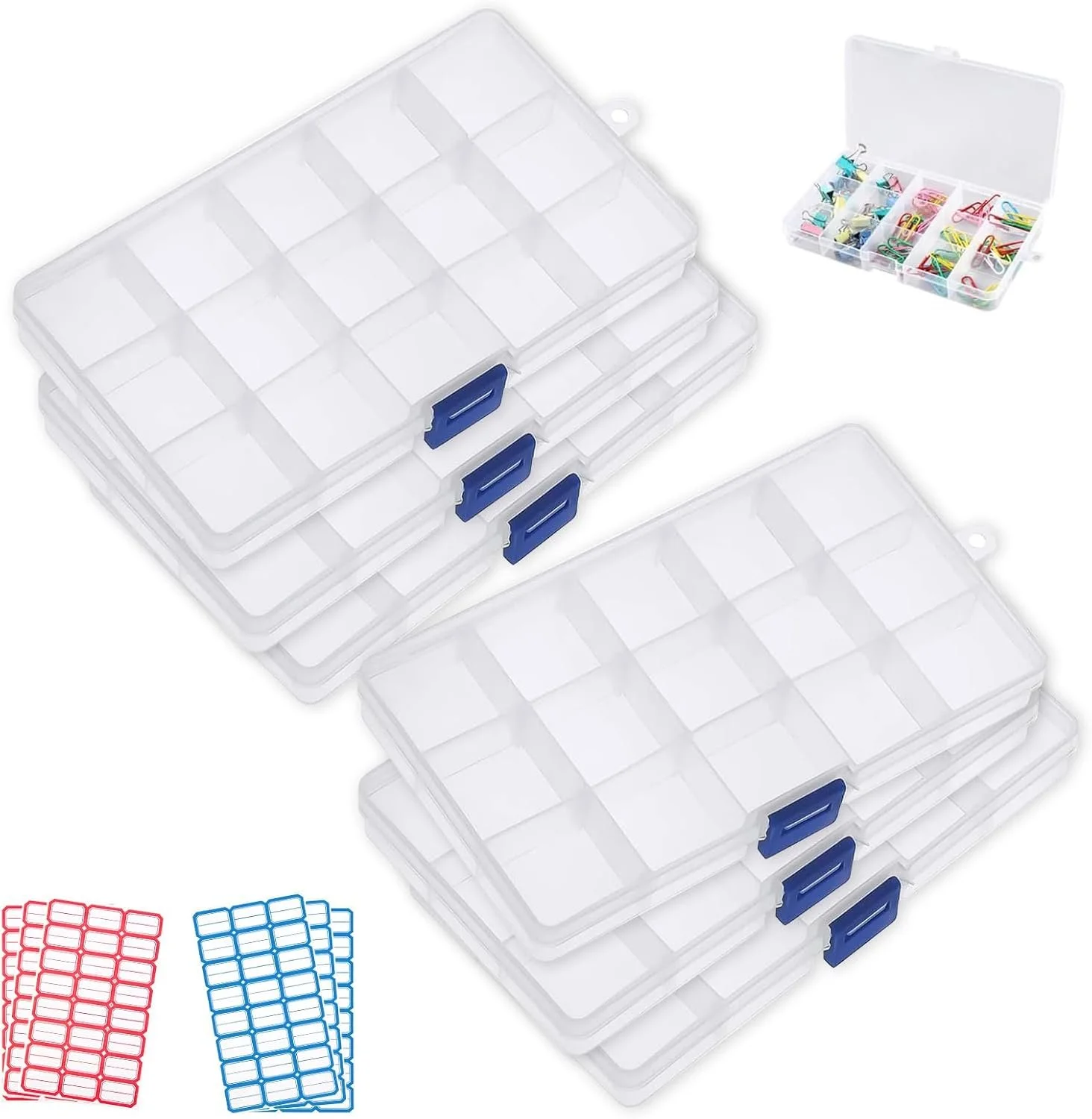
Small parts organizers for special parts
Small parts organizers are ideal for tiny special Lego parts. Typically we store in such small parts organizers minifigure accessories, decorated tiles, minifigure utensils, etc. Dividers help keep similar parts separated while maintaining high density.
We use the following product in our store, but any similar organizer should work perfectly well:
Labeling: The efficiency booster
Even the best storage system fails without proper labeling. Labels reduce search time, prevent mistakes, and make the system usable by others. For BrickLink sellers, consistent labels also make inventory checks and restocking far more efficient.
Environmental considerations
LEGO parts should be stored in a dry, stable environment away from direct sunlight. Closed containers protect against dust and discoloration, especially for white and light-colored parts. Long-term storage quality matters just as much as accessibility.
Final thoughts: Storage should follow your workflow
The most important rule: storage must support how you work. Frequently used or fast-moving parts should be stored at arm’s reach, while rarely used elements can be placed higher or further away. When storage mirrors your sorting logic, efficiency increases naturally.
There is no single perfect way to store LEGO parts, but there is a practical one. A system built around small containers, clear labeling, and modular growth will stay efficient for years—whether you’re building for fun or fulfilling BrickLink orders.
With the right storage in place, LEGO stops being clutter and becomes a creative tool.